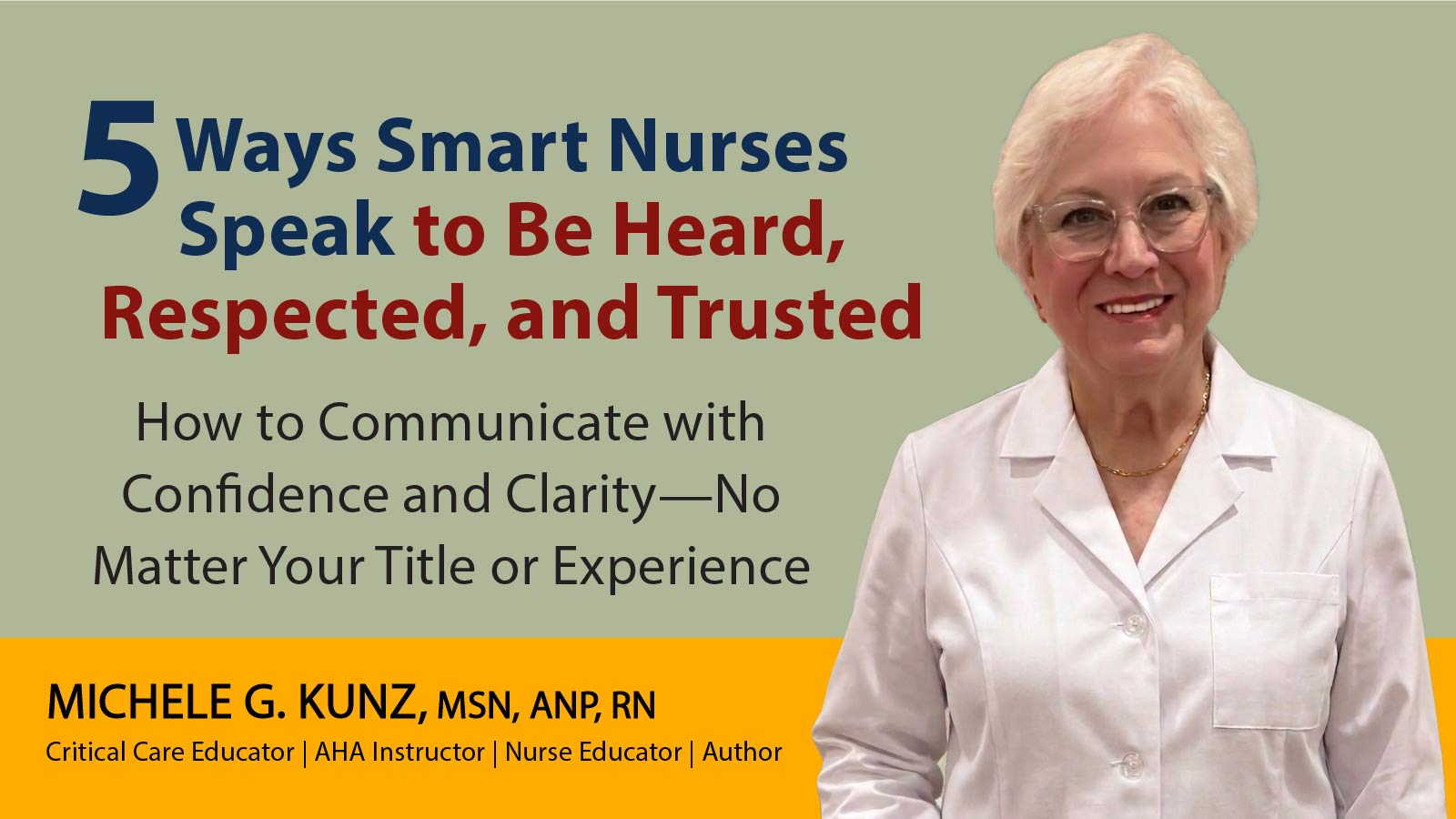
How to Communicate with Confidence and Clarity—No Matter Your Title or Experience
Synopsis
This practical and empowering article shows nurses how to master the communication skills that truly matter—whether you're new to the floor or decades into your career. Learn the five habits that separate the respected, influential nurses from those who are overlooked, and discover how to use your voice to advocate more powerfully for your patients, your profession, and yourself.
Introduction
In nursing, your voice is one of your most powerful tools—and not just in the clinical sense.
How you communicate determines how seriously you’re taken, how much trust you earn, and how far your influence can reach. Whether you're talking with a physician, comforting a patient’s family, mentoring a new nurse, or advocating for change on your unit, your words matter.
After decades in healthcare and business, we’ve noticed something important: smart nurses—the ones who get results, move up, and make a difference—don’t just work hard. They speak with purpose.
These five communication habits can help you stand out, earn respect, and become the kind of nurse everyone listens to.
1. From People-Pleaser to Purpose-Driven
It’s natural to want to be liked. But if you’re constantly softening your words, avoiding conflict, or apologizing for speaking up, you’re shrinking your own power.
Successful nurses don’t speak to be liked—they speak to lead, protect, and move things forward.
Shift your mindset from pleasing to purpose.
a. Use confident language like “I recommend,” “Let’s consider,” or “Based on what I’ve seen.”
b. Don’t be afraid to disagree professionally when patient safety or quality of care is on the line.
Real-Life Example: Instead of saying, “I’m not sure, but I think the labs might be off,” say, “His potassium is climbing—we need to reassess immediately.”
2. Cool Heads Command the Room
Nursing is an emotional profession—but emotional deliverycan backfire. When you sound overwhelmed or upset, your message can get dismissed, no matter how important it is.
Composed communication helps others trust your judgment—even in chaos.
a. Keep your voice steady, even under pressure.
b. Stick to facts, not feelings, when explaining.
c. Take a pause before responding in emotionally charged moments.
Real-Life Example: When confronting a coworker about a mistake, don’t accuse or raise your voice. Instead, say, “Let’s go over this charting issue together so we’re on the same page going forward.”
3. Talk Like You Own the Role
You don’t need a title to speak with authority. Even as a student or new nurse, you can sound like someone who knows what they’re talking about—and that earns instant respect.
Authority comes from clarity, confidence, and control—not a job title.
a. Use direct, professional language—don’t ramble or second-guess.
b. Prepare before you speak in meetings, rounds, or interviews.
c. Practice speaking in short, intentional sentences.
Real-Life Example: During a handoff, instead of listing every detail, say, “He’s stable, tolerating his meds, vitals within range. Just monitor for dizziness with tonight’s dose.”
4. Ask with Intention, Lead with Questions
Smart nurses don’t just make statements—they ask great questions. Questions can guide a conversation, uncover problems, or shift people’s thinking without confrontation.
Strategic questions are one of the most overlooked leadership tools in nursing.
a. Ask questions that solve problems, clarify expectations, or prompt action.
b. Avoid rapid-fire questioning—one clear question is more powerful than five weak ones.
c. Use questions to show you’re thinking critically, not just following instructions.
Real-Life Example: Instead of saying nothing during a unit meeting, ask, “What’s our current plan for improving nurse-patient ratios?” or “How will we measure whether the new policy is working?”
5. Say Less, Mean More
Oversharing—whether personal or professional—can damage your credibility. The more you talk, the more likely your message gets lost or misunderstood.
Clear, focused communication makes you sound sharp, grounded, and in control.
a. Think before you speak. Trim the fluff.
b. Avoid justifying your thoughts or overexplaining.
c. Speak only what’s needed—and let silence do the rest.
Real-Life Example: When giving an update, skip the backstory and say, “Vitals stable. No concerns overnight. Awaiting labs and next med pass at 0800.”
Final Thoughts
You already know how to care for your patients. Now it’s time to make sure your voice reflects that same skill and confidence.
These five habits—speaking with purpose, staying composed, owning your voice, asking the right questions, and cutting the clutter—aren’t about being someone you’re not. They’re about stepping fully into the nurse you already are.
Because when you speak like a smart, focused professional, people listen. They trust you. They respect you. And that’s how real change begins.
"The way you speak can either open doors—or quietly close them. When your words match your purpose, you become unstoppable." — Michele G. Kunz
Ready to Bring Mindfulness into Your Nursing Practice?
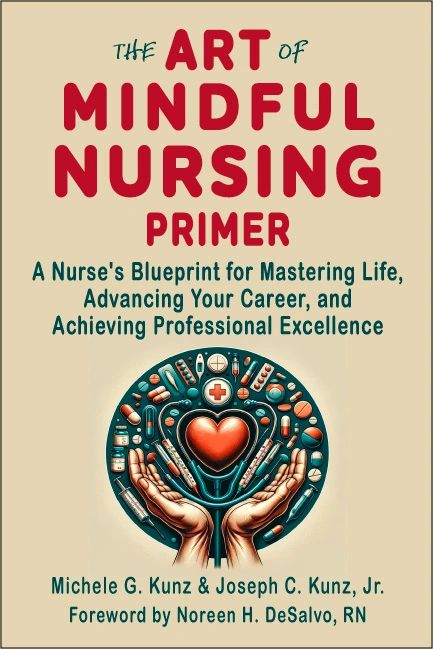
If you want to deepen your understanding of mindfulness and discover practical ways to incorporate it into your daily routine, The Art of Mindful Nursing Primer is the perfect resource.
This book offers insightful strategies, real-world applications, and easy-to-follow techniques designed specifically for nurses. Empower yourself, reduce stress, and enhance the care you provide—one mindful moment at a time.

With over 46 years of experience as a nurse and nursing educator, Michele Kunz is a dedicated advocate for compassionate and effective patient care. As a seasoned professional, Michele has trained and certified thousands of nurses and healthcare providers, sharing her extensive knowledge and passion for nursing. Her articles aim to inspire, educate, and support nurses in their journey, promoting excellence in the nursing profession.
