
How to Build Influence, Trust, and Respect in Your Nursing Career
Synopsis
Leadership isn't just for those with formal authority or high-ranking titles. As a nurse, you possess the power to lead, inspire, and effect meaningful change in your healthcare environment, regardless of your official position. This article explores how you can harness your influence, foster a positive culture, and become a catalyst for improvement. Michele shares practical insights and anecdotes to help you recognize your potential as a leader, become your team's "go-to" person, and cultivate a vision that propels your group forward, even when you're not formally in charge.
Introduction
When we think of leaders, we often picture individuals with prestigious titles, corner offices, and the power to make final decisions. This narrow view of leadership, however, is misleading and disempowering. Leadership is not reserved only for those in charge; it is a quality everyone can embody, regardless of their position or title. As a nurse, you may not always have the authority to make sweeping changes, but you have the power to lead through influence, empathy, and initiative.
Effective leadership is crucial at every level in the demanding and fast-paced healthcare environment. Patients rely on your expertise and compassion. Colleagues look to you for support and guidance. Even if you're not officially in charge, your actions, attitude, and interactions can significantly impact the care provided, your team's morale, and your workplace's overall culture. Every day, you can lead by example, show initiative, and be the nurse others turn to for advice and help.
One of the greatest misconceptions that hold people back from stepping into leadership roles is the belief that influence and authority are synonymous. This is far from the truth. Leadership is about serving others, inspiring confidence, and facilitating collaboration, not about issuing orders or holding power. The true essence of leadership lies in the ability to influence and inspire those around you, to see possibilities where others see obstacles, and to take initiative even when it's not your job to do so.
Consider this: What if your ability to lead was not defined by your title but by your actions and the relationships you build? What if you could make a significant difference right where you are, by becoming the "go-to" person in your unit—someone known for their reliability, knowledge, and willingness to help? By embracing this mindset, you can cultivate a strong sense of purpose, foster a supportive environment, and drive positive change, no matter your position.
This article will explore how you can lead from where you are, using practical strategies to build trust, nurture your vision, and establish yourself as a valuable resource within your team. Whether you are a new nurse or a seasoned professional, you have the potential to make a profound impact on your patients, your colleagues, and your healthcare organization. The question is not whether you can lead, but how you will lead. By focusing on influence over authority, you can become the kind of leader who inspires and empowers others, even without a title.
A. Understanding Leadership Beyond Titles
Leadership goes beyond holding a high-ranking job or being the decision-maker. True leadership is about influencing others and inspiring them to work towards a common goal. As a nurse, you interact with patients, families, colleagues, and supervisors daily, giving you numerous opportunities to lead and make a difference.
1. Influence Over Authority
Influence is more impactful than authority because it encourages people to follow you out of respect and trust, not obligation. Authority might make people follow orders, but influence inspires loyalty and dedication. Think about the nurses you admire—chances are, their influence doesn't stem from their title but from how they conduct themselves, how they handle crises, and how they interact with others. By focusing on building genuine relationships and showing empathy, you can become someone people naturally look to for guidance and support.
2. Becoming the "Go-To" Person
One of the most effective ways to lead without a title is to become the "go-to" person in your group, department, or unit. Being the "go-to" person means being known as the expert, the one with the answers, or the one who can get things done. This isn't about being perfect or knowing everything—it's about being resourceful, approachable, and willing to help. By consistently offering assistance, sharing your knowledge, and showing up when others need you, you build a reputation that positions you as a leader within your team. This kind of influence is powerful because it's built on trust and reliability, rather than enforced hierarchy.
B. Embracing Your Role as a Nurse Leader
You may not have the final say in decisions, but you have a significant voice. Your bedside experience and patient interactions provide you with a unique perspective that can shape patient care practices and improve team dynamics.
1. Nurture Your Vision
Having a vision isn't just for those at the top. As a nurse, you can have a vision for patient care, team communication, or a more supportive work environment. Ask yourself what changes you want to see and how you can contribute to making them happen. Your vision can be as simple as improving handoff communications or as broad as enhancing patient comfort. Share your vision with your colleagues, and find small ways to bring it to life in your daily work. Over time, your vision will help align your team's efforts, making it a reality that everyone works towards.
2. Build Trust and Respect
Trust is the foundation of influence. Without trust, leadership efforts are ineffective. Be consistent in your actions, uphold high ethical standards, and show empathy towards colleagues and patients. By being reliable and understanding, you earn the trust of those around you, which strengthens your influence. When colleagues know they can count on you to handle situations with integrity and compassion, they are more likely to turn to you for guidance, making you an informal leader within your team.
3. Communicate Effectively
Leadership starts with communication. Share your ideas clearly and confidently. Listen actively to your colleagues' concerns and suggestions. Effective communication not only spreads your influence but also creates a collaborative environment where everyone feels heard and valued. Take the time to ask questions, provide feedback, and encourage open dialogue. By doing so, you foster a team culture where everyone feels comfortable expressing their thoughts and concerns, leading to more effective and cohesive teamwork.
C. Practical Strategies for Leading Without Authority
Incorporating leadership strategies into your daily nursing practice can gradually increase your influence and impact.
1. Be Proactive
Don't wait for permission to make a positive change. If you notice a process that could be improved, suggest a solution. If you see a colleague struggling, offer your support. Proactivity demonstrates initiative and a commitment to improvement, which are essential qualities of effective leadership. Small acts of initiative, like organizing team meetings to discuss patient care strategies or volunteering to mentor new nurses, can have a big impact. By taking action, you show that leadership is about doing, not just directing.
2. Develop Your Skills
Continuous learning is crucial for effective leadership. Seek opportunities for professional development through workshops, certifications, or reading. By expanding your knowledge, you enhance your practice and become a valuable resource for others. For instance, if you become certified in a specialized area of care, you can share that knowledge with your colleagues, helping to elevate the entire team's performance. Being seen as a knowledgeable and skilled professional increases your credibility and influence.
3. Serve as a Role Model
Your behavior sets the tone for others. Demonstrate professionalism, compassion, and dedication in your work. By embodying the values you want to see in others, you lead by example and inspire your colleagues to follow suit. A role model's influence is powerful because it shows others what is possible and encourages them to strive for excellence. Whether it's staying calm during a crisis, showing empathy in difficult situations, or adhering to best practices, your actions inspire others to emulate your behavior.
4. Establish Yourself as the "Go-To" Expert
Whether it's a specific procedure, patient care technique, or handling challenging situations, become the expert in a particular area. Share your knowledge generously with others. Offer to conduct training sessions or provide quick tips during team meetings. Being known as the go-to person increases your influence and solidifies your role as a leader within your team. This doesn't mean you have to know everything, but rather that you're willing to learn, share, and help others improve.
D. Overcoming Obstacles to Leadership Without Authority
While leading without a title can be empowering, it also comes with challenges. You may encounter resistance, indifference, or skepticism from those who hold formal authority.
1. Handle Resistance with Patience and Understanding
Change can be uncomfortable for many. Approach resistance with empathy and patience. Understand that not everyone may see the value in your ideas right away. Instead of pushing back, engage in dialogue, seek to understand others' concerns, and find common ground. For example, if a colleague is resistant to a new procedure you're proposing, take the time to explain its benefits and address their concerns. Patience and understanding show respect for others' perspectives and foster a cooperative atmosphere.
2. Find Allies and Build a Support Network
Seek out colleagues who share your vision or are open to new ideas. Building a network of support makes it easier to implement changes and gives you a collective voice that is harder to ignore. Allies can provide feedback, offer additional perspectives, and help advocate for your ideas. Together, you can work towards common goals and create a more significant impact. Even a small group of supportive colleagues can make a big difference in driving positive change within your unit or department.
Conclusion: Become the Leader You Aspire to Be
Leading without a title is about unlocking your potential to make a difference. It's about influencing others through your actions, words, and the example you set. Don't let the lack of formal authority hold you back. Embrace your role as a nurse leader, leverage your influence, and foster a culture of excellence, compassion, and collaboration.
Remember, leadership is about making a difference where you are with what you have. By becoming the go-to person in your team, taking the initiative, and continuously developing your skills, you can lead effectively and inspire others, even without a title. Leadership is not about waiting for permission; it's about taking responsibility and stepping up to make a difference. Start leading today—because you already have everything you need to begin.
"True leadership in nursing isn’t about titles or positions—it’s about your ability to inspire trust, share knowledge, and make an impact on those around you. When you focus on being the nurse everyone can rely on, you naturally become a leader in your profession." - MGK
Ready to Bring Mindfulness into Your Nursing Practice?
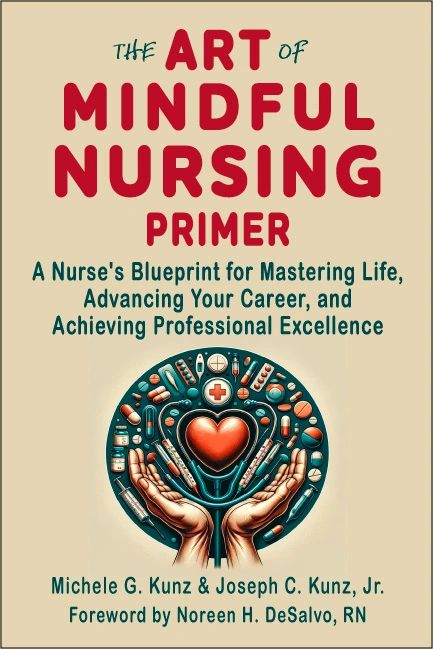
If you want to deepen your understanding of mindfulness and discover practical ways to incorporate it into your daily routine, The Art of Mindful Nursing Primer is the perfect resource.
This book offers insightful strategies, real-world applications, and easy-to-follow techniques designed specifically for nurses. Empower yourself, reduce stress, and enhance the care you provide—one mindful moment at a time.

With over 46 years of experience as a nurse and nursing educator, Michele Kunz is a dedicated advocate for compassionate and effective patient care. As a seasoned professional, Michele has trained and certified thousands of nurses and healthcare providers, sharing her extensive knowledge and passion for nursing. Her articles aim to inspire, educate, and support nurses in their journey, promoting excellence in the nursing profession.
