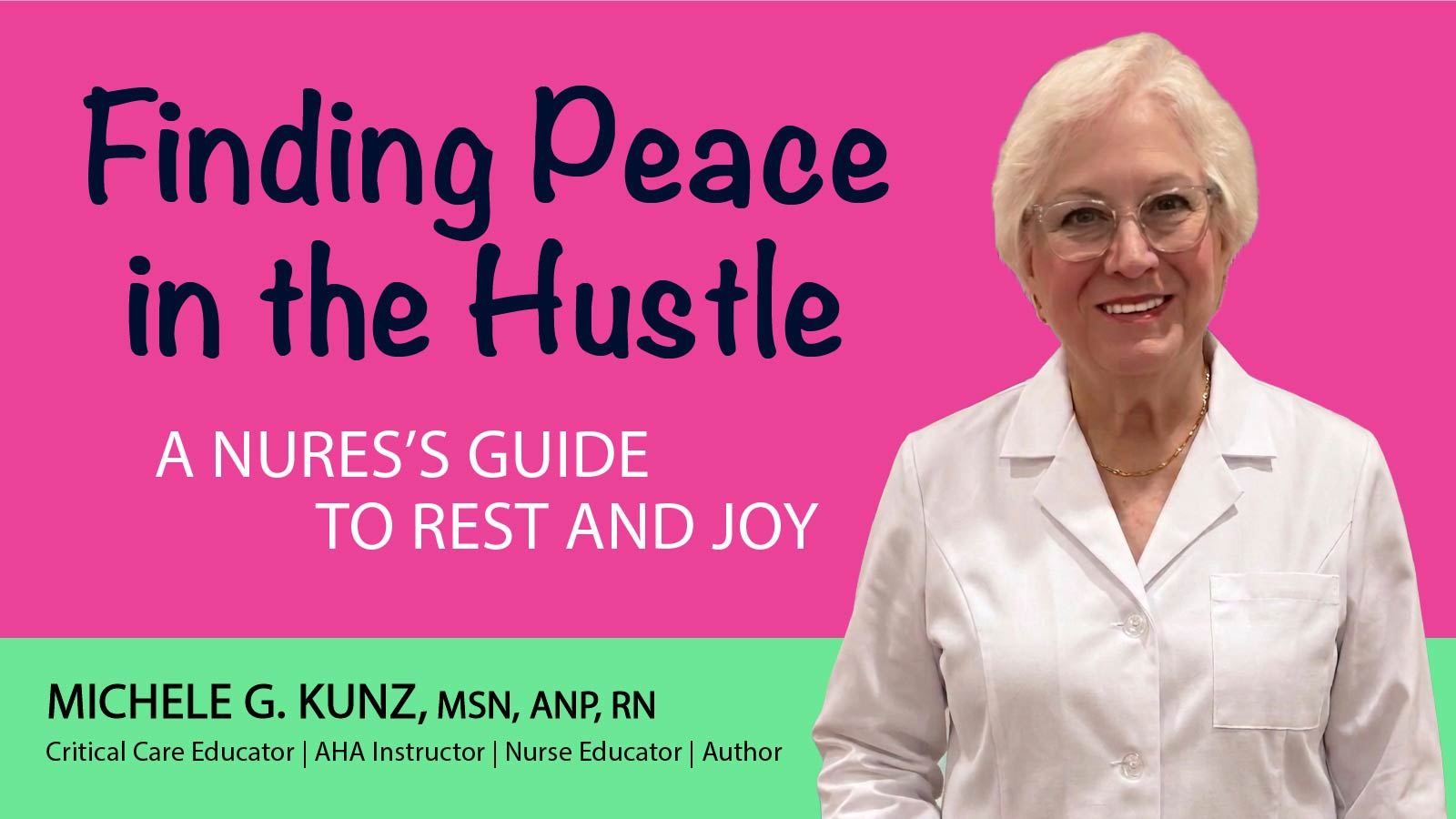
Discover the Balance Between Dedication and Self-Care
Synopsis
Nurses dedicate their lives to the well-being of others, often neglecting their own needs in the process. "Finding Peace in the Hustle: A Nurse’s Guide to Rest and Joy" explores the transformative power of rest, renewal, and joy in preventing burnout and fostering a fulfilling nursing career. This comprehensive guide provides actionable strategies for embracing self-care while maintaining the dedication nurses bring to their work. By finding balance, nurses can not only improve their own well-being but also enhance their capacity to provide exceptional care to their patients.
Introduction Nursing is a calling that demands extraordinary dedication, resilience, and compassion. Yet, the relentless hustle of the profession often leaves little room for self-care. Burnout, fatigue, and emotional exhaustion can take a toll on even the most passionate nurses. The truth is, rest and joy are not indulgences; they are necessities for a sustainable and rewarding career. This article offers practical insights and strategies to help nurses find peace in the hustle, balancing their commitment to others with their own well-being.
But self-care isn’t just about preserving energy; it’s about rediscovering the joy and purpose that brought you to nursing in the first place. By making time for intentional rest, renewal, and moments of celebration, you can transform the way you approach both your personal and professional life. Let this guide serve as a reminder that prioritizing yourself doesn’t diminish your commitment to others—it strengthens it.
A. The Cost of Neglecting Self-Care
Introduction
The high demands of nursing often overshadow the importance of self-care. Many nurses are driven by a sense of duty and compassion, yet this unrelenting focus on others can lead to severe personal consequences. Recognizing the cost of neglecting self-care is the first step toward change—and reclaiming a sense of balance and wellness.
1. The Impact of Burnout
a. Statistics show that over 40% of nurses experience burnout, leading to physical and emotional exhaustion.
b. Chronic stress can result in decreased job performance, strained relationships, and long-term health issues.
c. Emotional exhaustion often leads to detachment from work and a diminished sense of personal accomplishment.
d. Burnout contributes to higher turnover rates, disrupting healthcare teams and patient care.
e. Physical symptoms such as headaches, fatigue, and gastrointestinal issues are common.
2. Why Nurses Neglect Themselves
a. The "selfless caregiver" identity often discourages nurses from prioritizing their own needs.
b. A demanding work environment leaves little time or energy for rest and renewal.
c. Nurses may feel guilt or selfishness when focusing on themselves, perpetuating a cycle of neglect.
d. Workplace culture may discourage conversations about mental health and self-care.
e. Financial pressures or fear of job security can drive overwork and neglect of personal needs.
3. The Ripple Effect of Neglect
a. When nurses’ well-being suffers, patient care can also decline.
b. A lack of self-care can lead to increased absenteeism, higher turnover rates, and reduced morale in healthcare teams.
c. Emphasizing self-care creates a positive feedback loop, benefiting both the nurse and the patient.
d. Patients can sense when caregivers are stressed, which may impact their trust and satisfaction.
e. Neglecting self-care reduces the long-term sustainability of a nursing career.
B. Embracing Rest as a Foundation for Wellness
Introduction
In the fast-paced world of nursing, rest is often dismissed as a luxury rather than a necessity. However, rest is a cornerstone of physical and mental health. It is the fuel that sustains nurses through their demanding schedules and equips them to provide the highest level of care. Embracing rest means breaking the cycle of exhaustion and prioritizing recovery as a key to longevity in the profession.
Rest is not simply the absence of activity; it is a proactive practice that rejuvenates the body and mind. By learning to incorporate rest into your routine, you create the mental clarity and physical stamina needed to face challenges with resilience. A rested nurse is an effective, compassionate nurse.
1. The Science of Rest
a. Rest is essential for cognitive function, emotional regulation, and physical recovery.
b. Studies reveal that regular rest improves memory, decision-making, and overall mental health.
c. Lack of sleep and rest has been linked to increased risk of chronic diseases, such as hypertension and diabetes.
d. Adequate rest strengthens the immune system, reducing the risk of illness.
e. Rest helps regulate hormones that control appetite and stress.
2. Incorporating Rest into a Busy Schedule
a. Power Naps: Short naps during breaks can restore energy and focus.
b. Mindful Moments: Deep breathing exercises or a brief meditation can create mental clarity.
c. Boundaries: Setting limits on overtime and ensuring adequate time off between shifts.
d. Sleep Hygiene: Maintain consistent sleep schedules and create a relaxing bedtime routine.
e. Micro-Rests: Practice brief moments of stillness between tasks to recharge.
3. Creating a Rest-Friendly Environment
a. Encourage supportive workplace policies that prioritize nurse well-being.
b. Advocate for dedicated rest spaces and flexible scheduling options.
c. Develop team practices that promote rest, such as rotating breaks and peer support.
d. Use technology like relaxation apps to make rest accessible.
e. Encourage leadership to model and support restful behaviors.
C. The Power of Renewal
Introduction
Renewal is about more than just physical rest—it’s a holistic rejuvenation of the mind, body, and spirit. In a profession as demanding as nursing, renewal is crucial for staying motivated and inspired. By finding activities and experiences that bring a sense of refreshment, nurses can reconnect with their passion and rediscover the joy that brought them to the profession in the first place.
Renewal doesn’t have to be a grand or time-consuming endeavor. Even small acts of renewal can create meaningful shifts in how you feel about your work and life. From creative hobbies to moments of reflection, renewal is about infusing your day with purpose and vitality.
1. What Renewal Looks Like
a. Renewal can take many forms, from learning a new skill to rediscovering hobbies.
b. It’s about reconnecting with what inspires and energizes you.
c. Personal growth activities can reignite your sense of purpose and motivation.
d. Spiritual practices, like prayer or meditation, can foster deep renewal.
e. Rediscovering passions outside of work helps bring balance to your life.
2. Practical Renewal Strategies
a. Continuing Education: Explore opportunities for professional growth that align with your interests.
b. Creative Outlets: Engage in activities like painting, writing, or gardening to rejuvenate your spirit.
c. Time in Nature: A walk in the park or time by the ocean can refresh your mind and body.
d. Social Connections: Spend time with friends and family who uplift and energize you.
e. Volunteer Work: Engage in non-nursing volunteer activities to shift perspective and find fulfillment.
3. Making Renewal a Habit
a. Schedule renewal activities just as you would work shifts or appointments.
b. Start small—even 10 minutes of a fulfilling activity can make a difference.
c. Incorporate variety to keep renewal activities engaging and exciting.
d. Use a journal to reflect on how renewal activities impact your mood and energy levels.
e. Set reminders to prioritize renewal in daily and weekly routines.
D. Cultivating Joy in Daily Life
Introduction
Joy is a powerful yet underutilized resource for nurses. It acts as a buffer against stress, a source of strength during difficult times, and a catalyst for deeper connections with colleagues and patients. Cultivating joy doesn’t require monumental changes—it’s about discovering small, meaningful moments that brighten each day and bring a sense of fulfillment.
Joy isn’t just an emotion—it’s a practice that can be cultivated through intentional actions and attitudes. By seeking out opportunities for joy, nurses can transform even the most challenging days into moments of gratitude and connection.
1. Why Joy Matters
a. Joy enhances resilience, strengthens relationships, and creates a positive outlook.
b. It’s a powerful antidote to the stress and challenges of nursing.
c. Fostering joy can increase job satisfaction and reduce feelings of burnout.
d. Experiencing joy improves emotional intelligence and empathy.
e. Joyful nurses create a more positive atmosphere for patients and colleagues.
2. Finding Joy Amidst the Hustle
a. Celebrate Small Wins: Acknowledge daily successes, whether it’s helping a patient or mastering a new skill.
b. Connect with Colleagues: Build camaraderie through shared laughter and support.
c. Practice Gratitude: Reflect on moments that bring you fulfillment and purpose.
d. Engage in Play: Incorporate light-hearted activities or humor into your day.
e. Mindful Positivity: Focus on the aspects of your work that bring you satisfaction.
3. Integrating Joy into Your Routine
a. Start a gratitude journal to document moments of joy and accomplishment.
b. Plan regular "joy breaks" to engage in activities that make you happy.
c. Recognize and amplify joyful moments by sharing them with others.
d. Dedicate time to celebrate milestones with your team.
e. Use visualization techniques to recall joyful moments and shift perspective.
E. Creating a Self-Care Blueprint
Introduction
A self-care blueprint is more than a list of good intentions—it is a practical, actionable plan tailored to your unique needs and circumstances. By creating a blueprint, nurses can take control of their well-being and develop strategies that seamlessly integrate self-care into their daily lives. This personalized approach ensures sustainability and fosters a deeper sense of empowerment.
A blueprint serves as a roadmap for making self-care non-negotiable. By mapping out your priorities and creating clear steps to meet them, you can turn your aspirations for wellness into a reality. With a strong blueprint in place, self-care becomes an integral part of your routine.
1. Assess Your Needs
a. Reflect on areas where you feel depleted or out of balance.
b. Identify small, manageable changes that can make a significant impact.
c. Use tools like self-assessments or wellness apps to track your needs.
d. Recognize patterns in your mood or energy that signal areas of improvement.
e. Include feedback from trusted colleagues or mentors on areas where self-care may be lacking.
2. Set Realistic Goals
a. Begin with achievable steps, such as taking a 15-minute walk after work or scheduling a day off.
b. Gradually build a self-care routine that feels natural and sustainable.
c. Create SMART goals: Specific, Measurable, Achievable, Relevant, Time-bound.
d. Reevaluate goals regularly to ensure they align with your current needs.
e. Celebrate progress, no matter how small, to maintain motivation.
3. Seek Support
a. Share your goals with friends, family, or colleagues who can encourage and hold you accountable.
b. Consider professional resources, such as counseling or coaching, for additional guidance.
c. Join nursing communities or wellness groups to stay motivated and inspired.
d. Partner with a self-care buddy to check in on each other’s progress.
e. Seek out role models who exemplify a healthy balance between work and personal life.
Conclusion and Call to Action
Nursing is a noble and rewarding profession, but it requires more than skill and dedication. It demands that you care for yourself as you care for others. Rest, renewal, and joy are not luxuries—they are lifelines that sustain your ability to thrive both personally and professionally.
The journey to balance and self-care begins with a single step. Whether it’s setting aside time for rest, finding a creative outlet, or celebrating your small victories, each action you take brings you closer to a life of fulfillment and resilience. Remember, self-care isn’t a destination—it’s an ongoing practice that evolves with your needs.
Take a moment today to assess how you can incorporate these gifts into your life. Commit to one small change this week, whether it’s scheduling a day of rest, trying a new hobby, or sharing a joyful moment with a loved one. By prioritizing your well-being, you’re not only enhancing your own life but also bringing your best self to your patients and colleagues. You deserve it.
“Nursing is a profession of giving, but true sustainability comes when we give to ourselves as well. Rest, renewal, and joy aren’t luxuries—they are the lifelines that keep our passion alive and our care exceptional.” — Michele G. Kunz
Ready to Bring Mindfulness into Your Nursing Practice?
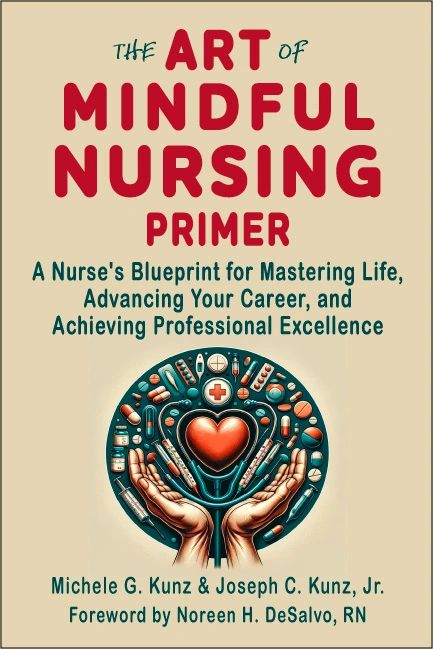
If you want to deepen your understanding of mindfulness and discover practical ways to incorporate it into your daily routine, The Art of Mindful Nursing Primer is the perfect resource.
This book offers insightful strategies, real-world applications, and easy-to-follow techniques designed specifically for nurses. Empower yourself, reduce stress, and enhance the care you provide—one mindful moment at a time.

With over 46 years of experience as a nurse and nursing educator, Michele Kunz is a dedicated advocate for compassionate and effective patient care. As a seasoned professional, Michele has trained and certified thousands of nurses and healthcare providers, sharing her extensive knowledge and passion for nursing. Her articles aim to inspire, educate, and support nurses in their journey, promoting excellence in the nursing profession.
