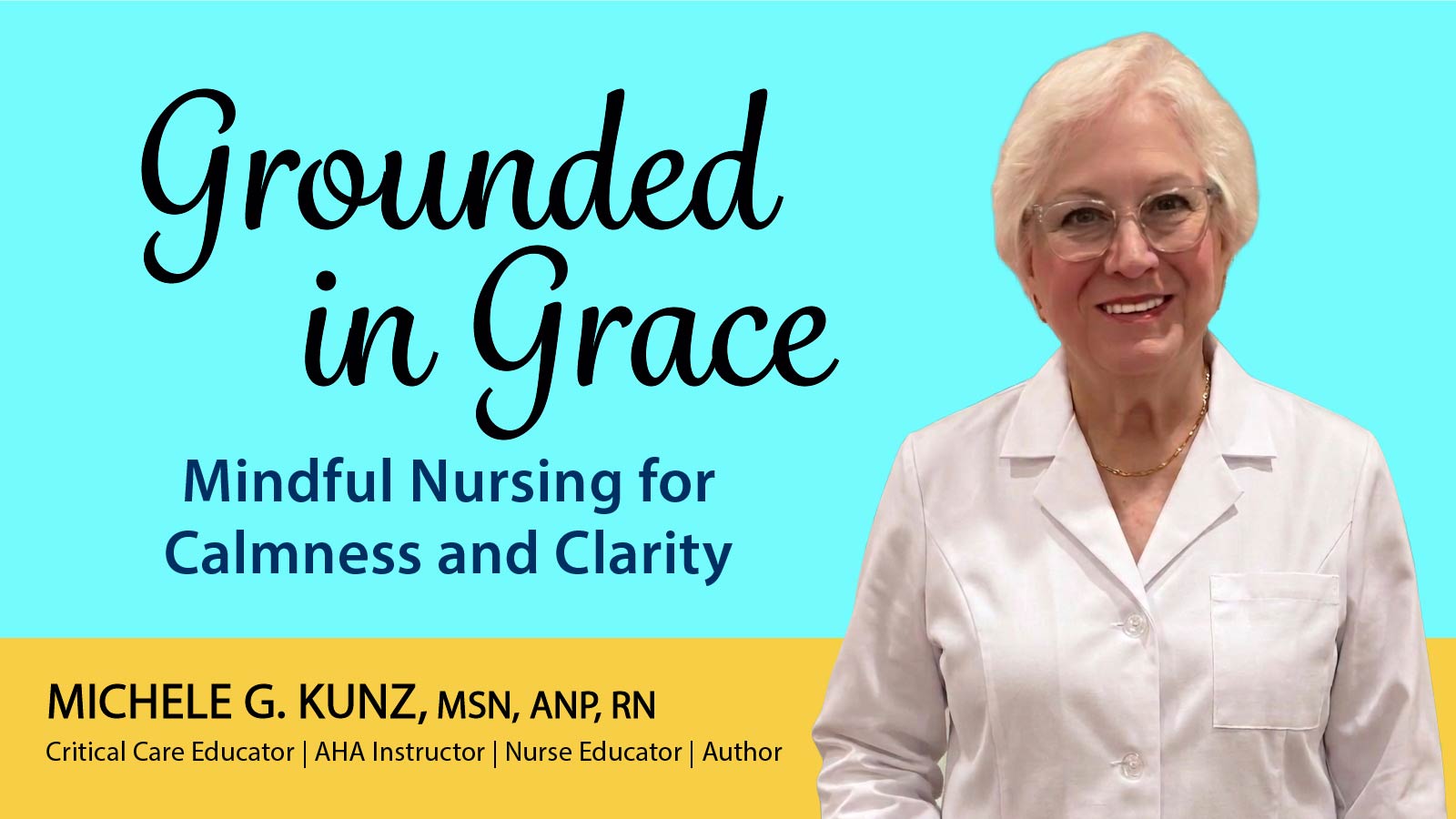
How Mindful Principles Empower Nurses to Handle Challenges with Strength and Serenity
Synopsis
This article explores the transformative power of grounding yourself in mindful nursing principles. It delves into why grounding is essential for nurses, offers practical strategies to cultivate calmness and clarity, and highlights the benefits of mindfulness in patient care and personal resilience. Through actionable techniques like mindful breathing, self-compassion, and gratitude practices, nurses can navigate the challenges of their profession with grace and purpose. This guide provides the tools to thrive in nursing, fostering stronger connections with patients, enhanced teamwork, and a renewed sense of joy and fulfillment in the profession.
Introduction
Nursing is often described as a profession of compassion, but it is also a profession of immense challenge. The daily demands of patient care, the fast-paced nature of medical environments, and the emotional toll of witnessing suffering can create a sense of overwhelm. Nurses are the backbone of healthcare, yet they are also human, facing the same stresses and vulnerabilities as anyone else.
In this high-stakes environment, the ability to remain calm, composed, and clear-headed is not just an asset but a necessity. Grounding yourself in mindful nursing principles can transform your approach to these challenges. By cultivating calmness and clarity, you empower yourself to face each day with grace, resilience, and purpose. This article explores the essential principles of mindful nursing and offers practical strategies for grounding yourself, so you can thrive in your role and deliver exceptional care.
I. The Importance of Grounding in Nursing
A. Why Nurses Need Grounding
The nursing profession is a balancing act of science, compassion, and quick decision-making. Each shift presents a myriad of responsibilities: administering medications, coordinating care, addressing patient concerns, and managing unexpected crises. Amid this whirlwind, it’s easy to feel untethered.
When nurses lack grounding, the effects ripple through every aspect of their work. Emotional exhaustion can set in, leading to burnout and disengagement. Mistakes are more likely when clarity of thought is compromised, and relationships with patients and colleagues may suffer. Grounding offers a way to counteract these challenges by providing a sense of stability and focus.
B. How Mindfulness Helps
Mindfulness is the practice of being fully present in the moment, without judgment or distraction. In nursing, mindfulness becomes a powerful tool for navigating the complexities of patient care. Grounding yourself in mindfulness:
- Reduces stress by bringing attention away from overwhelming thoughts and back to the present moment.
- Enhances focus, improving decision-making and efficiency.
- Promotes emotional regulation, helping you respond thoughtfully rather than react impulsively.
- Creates a deeper connection with patients, fostering trust and empathy.
By grounding yourself in mindfulness, you create a foundation of calmness and clarity that allows you to excel in your role.
II. Principles of Mindful Nursing for Calmness and Clarity
A. Presence is Power
Being fully present is the cornerstone of mindfulness. In nursing, this means giving your full attention to the task or patient in front of you, free from distractions or worries about the past or future. When you are present, you can:
- Better understand your patients’ needs.
- Make more accurate assessments.
- Build stronger connections with those under your care.
Practice: Before entering a patient’s room, take three deep breaths. As you exhale, visualize leaving behind the stress of your previous tasks. Enter the room with a clear mind and open heart.
B. Compassion for Self and Others
Compassion is often seen as an outward expression, but self-compassion is equally vital. Nurses frequently prioritize others, sometimes at the expense of their own well-being. However, neglecting self-care diminishes your capacity to care for others.
Practice: At the end of each shift, take a moment to reflect on one thing you did well. Acknowledge your efforts and remind yourself that you are human. Self-compassion reduces emotional fatigue and enhances your ability to extend genuine kindness to others.
C. The Role of Acceptance
Acceptance doesn’t mean resignation; it means acknowledging reality as it is so you can respond effectively. In nursing, situations often unfold beyond your control. Acceptance allows you to focus on what you can influence while letting go of unnecessary stress.
Practice: During challenging moments, repeat the mantra, “I respond, not react.” This simple phrase reminds you to approach situations with intention rather than impulsiveness.
D. Letting Go of Judgment
Judgment clouds clarity. Whether it’s judging yourself, others, or the circumstances, these thoughts can lead to frustration and hinder your ability to act effectively. Mindfulness teaches you to observe without judgment, creating space for thoughtful action.
Practice: Notice your thoughts during a stressful situation. Instead of labeling them as “good” or “bad,” simply observe them as they pass. This detachment helps you maintain focus and emotional balance.
III. Practical Grounding Techniques for Nurses
A. Mindful Breathing
Breathing is a simple yet powerful tool for grounding. Deep, intentional breathing activates the parasympathetic nervous system, which calms your mind and body.
Practice: Try the 4-7-8 breathing technique:
1 Inhale through your nose for 4 counts.
2 Hold your breath for 7 counts.
3 Exhale slowly through your mouth for 8 counts.
Use this technique during breaks or before responding to a high-stress situation to regain composure.
B. Anchoring in the Present Moment
When overwhelmed, grounding yourself in the present moment can help you refocus. One effective method is to engage your senses.
Practice: When stress peaks, identify:
- One thing you can see.
- One thing you can hear.
- One thing you can touch.
- One thing you can smell.
This exercise brings your attention back to the here and now, interrupting spiraling thoughts.
C. Grounding Through Physical Touch
Physical touch can serve as an anchor, reconnecting you to your body and stabilizing your emotions.
Practice: Keep a small, comforting object in your pocket, such as a smooth stone or a piece of fabric. When you feel stressed, hold the object and focus on its texture and weight.
D. Gratitude Practices
Gratitude shifts your perspective, reminding you of the positive aspects of your work and life. Regular gratitude practices can boost morale and resilience.
Practice: At the end of each shift, write down one thing you are grateful for. Over time, these reflections will help you cultivate a more positive outlook, even on tough days.
IV. The Benefits of Grounding Yourself in Mindful Nursing Principles
A. Improved Patient Care
When you are calm and clear-headed, your ability to provide high-quality care improves. Patients sense your presence and feel more at ease, creating a better healing environment.
B. Personal Resilience
Grounding techniques build resilience by helping you recover more quickly from stressful experiences. This resilience protects you from burnout and supports long-term career satisfaction.
C. Enhanced Teamwork
Mindful practices improve communication and reduce workplace conflicts. A grounded nurse contributes to a more cohesive and supportive team dynamic.
D. Sustained Joy in Nursing
Reconnecting with the reasons you became a nurse fosters a sense of purpose and joy. Grounding in mindfulness allows you to navigate challenges without losing sight of the rewards of your work.
Conclusion
Grounding yourself in mindful nursing principles is not a luxury—it is a necessity in today’s demanding healthcare environments. By cultivating calmness and clarity, you empower yourself to face challenges with grace and resilience. These practices not only enhance your well-being but also improve patient care and team dynamics.
Begin with small steps. Choose one grounding technique or mindful principle to incorporate into your daily routine. Over time, these practices will create a profound shift in your approach to nursing, enabling you to thrive both professionally and personally.
As you continue your journey, remember that mindfulness is a practice, not a destination. Be patient with yourself and embrace the process. In doing so, you will discover a deeper connection to your work, your patients, and yourself. Let mindful nursing be your anchor, guiding you through the challenges with strength, serenity, and purpose.
"In every moment of chaos, there is an opportunity to pause, breathe, and reconnect with the purpose that brought you to nursing. Ground yourself in mindfulness, and you will find the clarity to heal others while nurturing your own soul." - Michele G. Kunz
Ready to Bring Mindfulness into Your Nursing Practice?
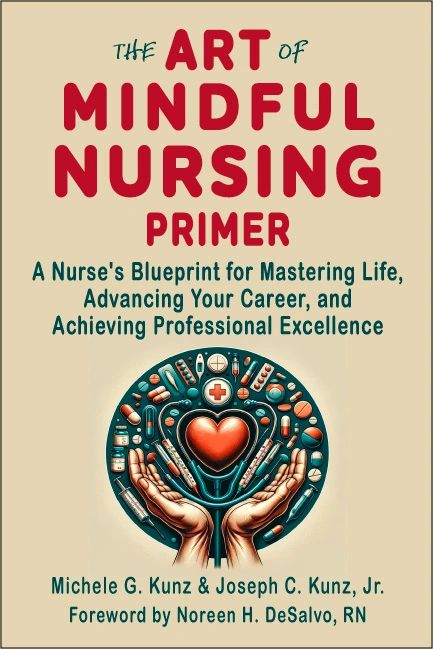
If you want to deepen your understanding of mindfulness and discover practical ways to incorporate it into your daily routine, The Art of Mindful Nursing Primer is the perfect resource.
This book offers insightful strategies, real-world applications, and easy-to-follow techniques designed specifically for nurses. Empower yourself, reduce stress, and enhance the care you provide—one mindful moment at a time.

With over 46 years of experience as a nurse and nursing educator, Michele Kunz is a dedicated advocate for compassionate and effective patient care. As a seasoned professional, Michele has trained and certified thousands of nurses and healthcare providers, sharing her extensive knowledge and passion for nursing. Her articles aim to inspire, educate, and support nurses in their journey, promoting excellence in the nursing profession.
