Silence Self-Doubt, Embrace Your Worth, and Thrive in Your Career
Synopsis
This article offers practical strategies and inspiration for nurses battling self-doubt. It explores how imposter syndrome affects confidence, patient care, and teamwork, while providing actionable tools like journaling, peer support, and mindfulness to rebuild confidence and thrive. With an empowering call to action, the article encourages nurses to embrace their worth, grow from challenges, and excel in their profession.
Introduction: What Is Imposter Syndrome?
Have you ever felt like you’re just pretending to be a great nurse, waiting for someone to notice you don’t belong? You’re not alone. Nearly 70% of professionals—including nurses—experience imposter syndrome at some point in their careers.
Imposter syndrome is the persistent feeling that you’re not as competent or capable as others perceive you to be. Despite evidence of your skills and accomplishments, you may find yourself questioning whether you truly belong in your role or deserve your success. For nurses, this can manifest as doubting your abilities, feeling like a fraud, or attributing your achievements to luck rather than your hard work and expertise.
For those in the nursing profession, these feelings can be particularly intense. The weight of life-or-death responsibilities, ongoing education, and the relentless demands of patient care can amplify self-doubt, leaving even the most skilled nurses questioning their worth.
This article explores why imposter syndrome affects so many nurses, how it can hold you back, and proven strategies to build confidence and thrive in your career.
A. Why Nurses Feel Like Frauds—And How It Holds Them Back
1. The Confidence Killer: How Imposter Syndrome Erodes Self-Worth
a. Decreased Job Satisfaction
Nurses struggling with imposter syndrome may find it difficult to enjoy their work, even when they’re successful. Constantly feeling inadequate or fearing failure can overshadow moments of pride and fulfillment.
Impact: Over time, this can erode passion for the profession, making nurses more likely to consider leaving their roles or even the field of nursing altogether.
b. Difficulty Building Confidence
Imposter syndrome can create a vicious cycle: self-doubt leads to hesitation or mistakes, which further fuels feelings of inadequacy. Without addressing these patterns, it becomes harder to build the confidence needed to excel and feel secure in one’s role.
Impact: A lack of confidence can prevent nurses from fully embracing their expertise, making it harder to take on leadership or mentorship roles that could benefit their career and others.
2. From Self-Doubt to Systemic Challenges: The Ripple Effect on Patient Care
a. Hesitation and Errors
Self-doubt can cloud decision-making and erode confidence, potentially affecting the quality of care provided. It’s challenging to deliver your best when you’re battling inner criticism.
Impact: Hesitation and second-guessing during critical moments can delay interventions, compromising patient outcomes. Additionally, a nurse’s lack of confidence can affect communication with the healthcare team, reducing collaboration and creating unnecessary risks in patient care.
b. Systemic Inefficiencies
The effects of imposter syndrome extend beyond individual performance. A nurse doubting their abilities might avoid contributing ideas or innovations, negatively impacting the broader care team.
Impact: This reluctance can hinder workflow, reduce creativity in problem-solving, and strain teamwork, ultimately affecting the overall effectiveness of patient care.
B. Proven Strategies to Beat Self-Doubt and Thrive
Overcoming imposter syndrome isn’t just possible—it’s transformative. Here’s how you can silence the doubts and rediscover your confidence:
1. Recognize the Signs
Awareness is the first step. If you often downplay your accomplishments, fear being “found out,” or feel undeserving of your role, you might be experiencing imposter syndrome. Recognizing this as a common and manageable issue is key.
2. Acknowledge Your Accomplishments
Keep a journal of your achievements, positive feedback, and moments when you made a difference. Revisit these entries when self-doubt creeps in to remind yourself of your competence and impact.
Example: Sarah, a newly graduated nurse, doubted her ability to care for a critically ill patient. After receiving a heartfelt thank-you from the patient’s family, she started a journal to record moments like these, helping her remember the impact of her work.
3. Seek Support
Share your feelings with trusted colleagues, mentors, or friends. You’ll likely find they’ve faced similar doubts. Peer support can help normalize your experience and provide perspective.
Tool: Join an online forum or support group for nurses, where members share experiences and strategies for overcoming self-doubt.
4. Challenge Negative Self-Talk
When you catch yourself thinking, “I’m not good enough,” counter that thought with evidence to the contrary. Replace it with affirmations like, “I’ve trained for this,” or “I’ve successfully handled challenges before.”
Example: When John, a nurse in his first leadership role, doubted his ability to manage a team, he reframed his thoughts by recalling his successful handling of high-pressure situations in the past.
5. Reframe Failures as Growth
Mistakes are a natural part of any career, especially one as complex as nursing. Use them as opportunities to learn and improve rather than as proof of inadequacy.
Tool: Reflect on a past mistake and write down three lessons it taught you. Focus on how it has made you a better nurse.
6. Prioritize Self-Care
Incorporating mindfulness practices like meditation or deep breathing can help you stay present, reduce self-critical thoughts, and reconnect with your purpose as a nurse.
C. Growing from Imposter Syndrome
Overcoming imposter syndrome doesn’t happen overnight. It’s a process of self-reflection, growth, and mindset shifts.
“Studies show that overcoming imposter syndrome can lead to stronger resilience and professional growth, as it forces you to confront self-doubt and build confidence.”
Nurses who tackle imposter syndrome head-on often emerge stronger, with a deeper appreciation for their skills and a renewed sense of purpose. Sharing your experiences with trusted colleagues or mentors can create a supportive community that uplifts everyone.
Call to Action: Commit to one step today—write down three accomplishments you’re proud of, talk to a mentor, or set a small professional goal to boost your confidence.
Closing Thought: Embrace Your Strength and Worth
You’ve earned your place in this profession. Every life you touch is a testament to your skill, compassion, and dedication. The moments of comfort you provide, the knowledge you apply under pressure, and the advocacy you offer your patients are profound acts of service that make a lasting impact. Even when the challenges feel overwhelming, remember that you have risen to meet them time and again.
When self-doubt creeps in, remind yourself of the countless patients and families who have benefited from your care. Think of the times you’ve made a difference—a smile shared, a life saved, a burden lifted. These moments are not accidents or acts of luck; they are the result of your expertise, empathy, and resilience.
Nursing is not just a career—it’s a calling, and you have answered that call with courage and dedication. Your role is vital not only to your patients but also to the larger healthcare community. By embracing your worth, you give yourself permission to grow, to lead, and to continue making a difference.
Let your light shine boldly. The work you do changes lives in ways you may not even realize. Trust in your ability to meet every challenge, and know that you are more than worthy of the trust and respect you’ve earned. You are not an imposter—you are a healer, a leader, and a source of strength for those you serve.
Hold onto that truth, and let it guide you as you continue your incredible journey in nursing.
"As nurses, we often hold ourselves to impossibly high standards, but it’s important to remember that self-doubt doesn’t define our abilities. Every life we touch is proof of our skill and compassion. Trust in your journey—you are more than enough." – Michele G. Kunz
Ready to Bring Mindfulness into Your Nursing Practice?
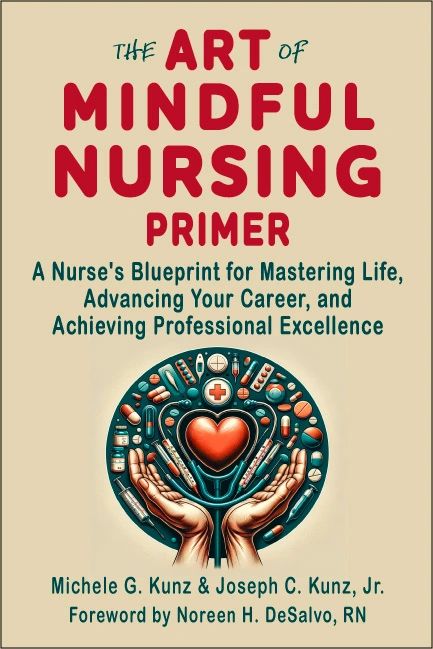
If you want to deepen your understanding of mindfulness and discover practical ways to incorporate it into your daily routine, The Art of Mindful Nursing Primer is the perfect resource.
This book offers insightful strategies, real-world applications, and easy-to-follow techniques designed specifically for nurses. Empower yourself, reduce stress, and enhance the care you provide—one mindful moment at a time.

With over 46 years of experience as a nurse and nursing educator, Michele Kunz is a dedicated advocate for compassionate and effective patient care. As a seasoned professional, Michele has trained and certified thousands of nurses and healthcare providers, sharing her extensive knowledge and passion for nursing. Her articles aim to inspire, educate, and support nurses in their journey, promoting excellence in the nursing profession.
