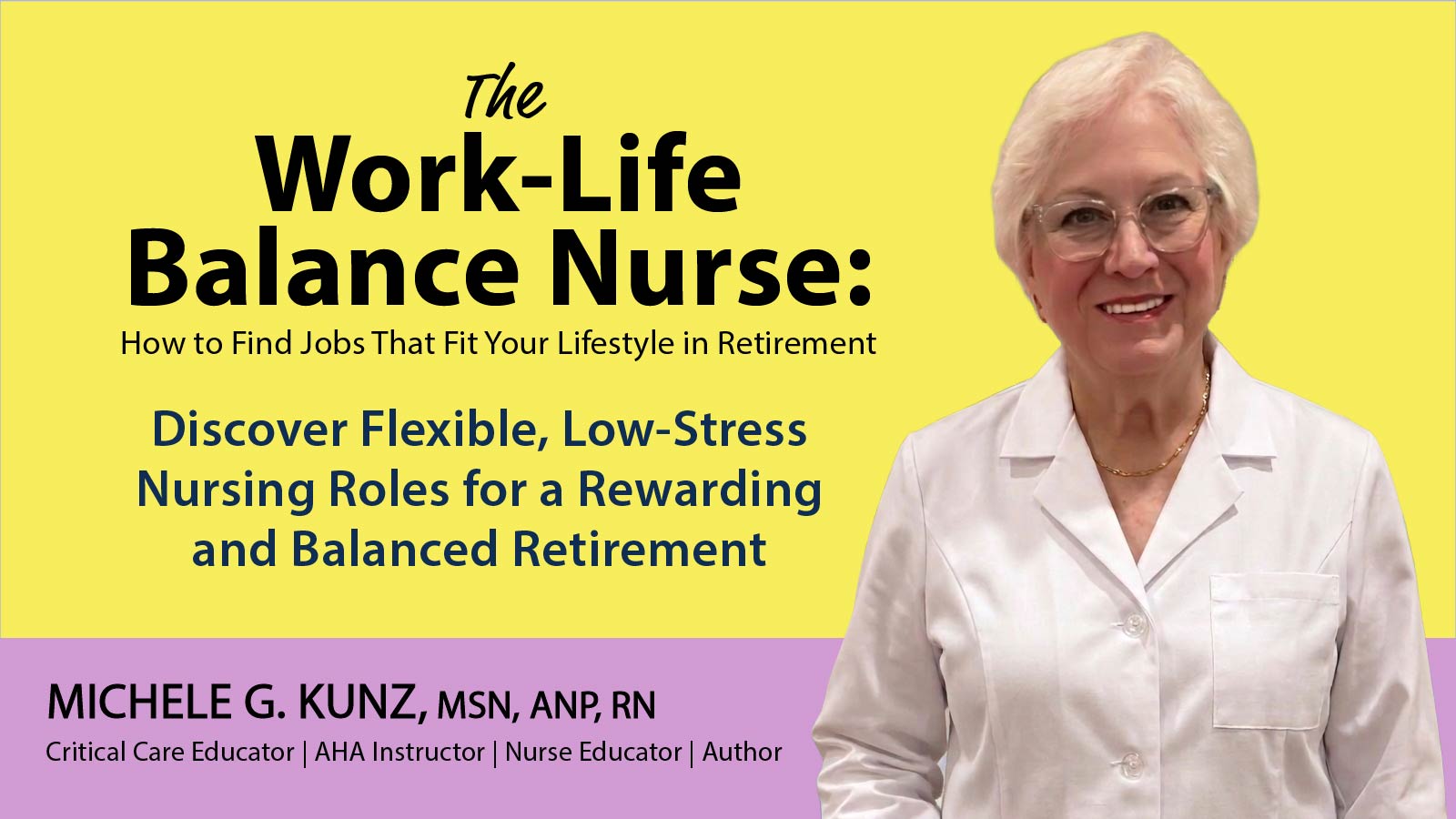
Discover Flexible, Low-Stress Nursing Roles for a Rewarding and Balanced Retirement
Synopsis
As nurses approach retirement, many seek a balance between staying engaged in the profession they love and enjoying the freedom and flexibility they’ve earned. This article explores practical tips and job ideas tailored for retiring nurses, emphasizing roles that offer manageable hours, reduced physical demands, and meaningful work. From telehealth to health coaching, discover how to transition into a role that aligns with your ideal lifestyle.
Introduction
After years of dedication to the nursing profession, retirement doesn’t have to mean an abrupt end to your career. For many nurses, it’s a chance to transition into roles that allow for flexibility, creativity, and reduced physical strain, all while staying connected to the profession they’ve dedicated their lives to.
Nurses nearing retirement often ask themselves: How can I remain active in nursing without the stress and demands of bedside care? Whether you’re looking for part-time work, roles with predictable hours, or opportunities to work remotely, there are countless ways to tailor your career to fit this new phase of life.
This article is designed to help you navigate this transition with actionable tips, examples of low-stress nursing jobs, and advice on how to make the most of your skills and experience. By choosing the right role, you can create a work-life balance that supports your well-being while continuing to make a difference.
A. Tips for Finding the Right Job
1. Prioritize Flexibility
Flexibility is key for retirees who want to spend more time with family, travel, or focus on hobbies while continuing to work. Look for jobs that allow you to set your own schedule, offer part-time hours, or provide seasonal opportunities.
- Per Diem Nursing: These positions let you choose when you want to work, providing maximum control over your schedule.
- Seasonal Flu Clinics: Short-term assignments during flu season are ideal for nurses who want to stay involved but not commit year-round.
- Remote Work: Telehealth or medical consulting roles often come with flexible hours and location independence.
- PRN (As Needed) Positions: Many healthcare facilities offer flexible shifts, either on-call or pre-scheduled, allowing experienced nurses to work only when needed.
- Home Health Visits: Take on only a few patients per week, scheduling visits around your availability.
- Health Screening Events: Participate in wellness or corporate health screenings with manageable, pre-scheduled hours.
2. Focus on Low-Impact Jobs
If you’re ready to step away from the physical demands of bedside care, consider jobs that focus on administrative, educational, or advisory tasks. These roles still leverage your expertise but eliminate the strain of lifting patients or working long shifts.
- Case Management: Coordinate care plans for patients, often working in office settings or remotely.
- Utilization Review: Evaluate the appropriateness of medical services, usually for insurance companies or hospitals.
- Nurse Educator: Teach new nurses or offer continuing education to seasoned professionals in a classroom or online setting.
- Medical Chart Auditing: Review and audit medical records for compliance and accuracy.
- Insurance Claim Nursing: Help insurance companies evaluate medical claims for legitimacy and coverage.
- Quality Improvement Roles: Work in hospital or outpatient settings to develop policies and improve patient care standards.
3. Consider Remote Work
Remote nursing jobs allow you to work from the comfort of your home, saving commute time and reducing workplace stress. These roles are becoming increasingly popular as healthcare embraces telehealth and digital tools.
- Telehealth Nursing: Provide care, guidance, and education to patients via phone or video calls. This role is particularly valuable for chronic disease management or follow-up care.
- Medical Coding or Reviewing: Use your knowledge of medical terminology and procedures to assist with documentation and compliance from home.
- Nurse Advisor: Support healthcare organizations with clinical expertise, offering insights into patient care processes or product development.
- Virtual Health Coach: Guide patients through lifestyle changes via virtual platforms.
- Chart Abstraction: Assist healthcare facilities with data collection and analysis remotely.
- Freelance Writing for Medical Journals: Write or edit for nursing publications or patient education materials.
4. Explore Local Opportunities
Local nursing roles can provide a sense of community while offering a manageable workload. These positions often come with regular business hours and minimal emergencies.
- School Nursing: Monitor student health and respond to minor illnesses or injuries, all while enjoying a school schedule with holidays off.
- Community Health Roles: Work in local clinics or health departments to support underserved populations.
- Clinic-Based Positions: Focus on preventative care and chronic disease management in a steady-paced environment.
- Wellness Clinics: Join health clinics that offer wellness exams or vaccinations.
- Nonprofit Nursing: Serve as a nurse for community outreach programs through charities or religious organizations.
- Occupational Health Nursing: Work with local businesses to ensure workplace safety and employee health.
5. Leverage Your Expertise
Your years of experience make you an invaluable resource for mentorship or consultancy. These roles allow you to share your knowledge without the demands of direct patient care.
- Preceptor or Mentor: Guide new nurses as they transition into their careers, offering support and practical advice.
- Policy Advisor: Work with healthcare organizations to develop policies that improve patient care and workplace environments.
- Health Coaching: Use your expertise to help individuals set and achieve personal health goals, blending your nursing skills with motivational guidance.
- Continuing Education Instructor: Teach short-term workshops or certification courses.
- Legal Nurse Consultant: Assist attorneys with cases requiring medical knowledge.
- Hospital Accreditation Specialist: Support hospitals in meeting regulatory standards.
B. Top Job Ideas for Work-Life Balance in Retirement
As you transition into retirement, the right nursing job can provide a balance between meaningful work and personal fulfillment. Whether you’re looking for flexibility, reduced physical demands, or opportunities to explore new environments, there are numerous roles that align with your lifestyle goals. Here are some of the best options for nurses seeking work-life balance in their golden years.
- Telehealth Nursing: Flexible and remote, allowing for work on your terms.
- Case Management: Structured yet impactful, with opportunities to work in person or remotely.
- Health Coaching: Combines nursing expertise with a focus on wellness.
- School Nursing: Steady hours and opportunities to impact young lives.
- Nurse Educator: Inspires the next generation of nurses while enjoying lighter physical demands.
- Medical Writing or Reviewing: Perfect for nurses with strong communication skills.
- Seasonal Assignments: Short-term roles that fit your lifestyle.
- PRN Nursing: Fill in at local hospitals or clinics as needed, without a long-term commitment.
- Clinic Nursing: Work in specialty clinics, such as dermatology or orthopedics, with predictable hours.
- Research Nursing: Join clinical trials or research teams to assist with patient care and data collection.
- IV Nurse: Specialize in intravenous therapy, such as administering fluids and medications, often in outpatient or home health settings. This role is physically manageable and allows for flexible scheduling.
- Short-Travel Nursing Contracts: Take on temporary travel assignments close to home or within a manageable distance. These roles are ideal for nurses looking for adventure without long-term commitments or extensive travel requirements.
Conclusion
Retirement is a time to focus on what truly matters: your health, happiness, and the relationships you cherish. However, stepping away from nursing entirely isn’t always the answer. With countless low-stress, flexible roles available, you can continue to make a difference while designing a schedule that suits your lifestyle.
By prioritizing flexibility, exploring non-traditional nursing roles, and leveraging your expertise, you can redefine what work-life balance looks like in your golden years. Whether you choose to work remotely, educate the next generation, or serve your community in a new capacity, the opportunities are as rewarding as they are flexible.
Your nursing career doesn’t need to end—it can evolve into something even more fulfilling. After all, the best jobs in retirement aren’t just about work; they’re about balance, meaning, and joy.
"Retirement is not the end of your nursing journey; it's a new chapter to rediscover your passion, embrace balance, and continue making a difference on your own terms." – Michele G. Kunz
Ready to Bring Mindfulness into Your Nursing Practice?
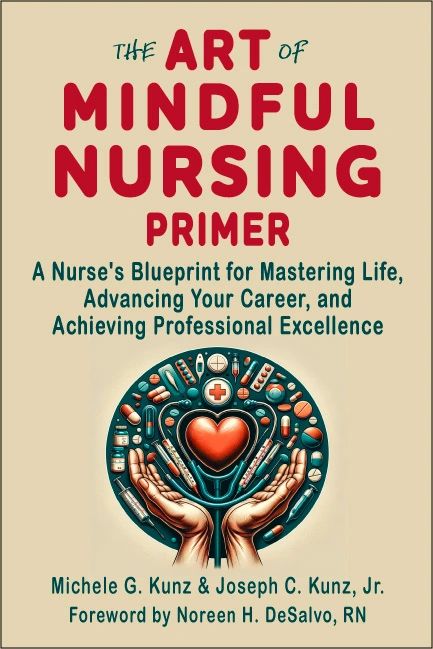
If you want to deepen your understanding of mindfulness and discover practical ways to incorporate it into your daily routine, The Art of Mindful Nursing Primer is the perfect resource.
This book offers insightful strategies, real-world applications, and easy-to-follow techniques designed specifically for nurses. Empower yourself, reduce stress, and enhance the care you provide—one mindful moment at a time.
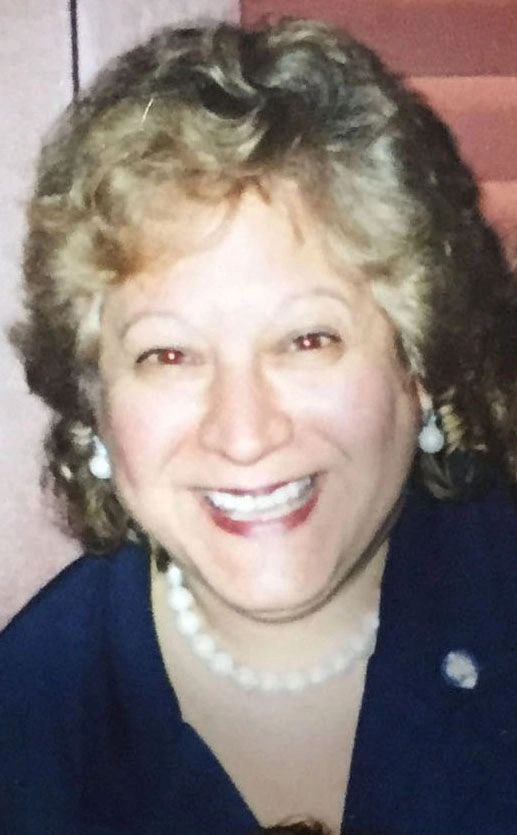
With over 46 years of experience as a nurse and nursing educator, Michele Kunz is a dedicated advocate for compassionate and effective patient care. As a seasoned professional, Michele has trained and certified thousands of nurses and healthcare providers, sharing her extensive knowledge and passion for nursing. Her articles aim to inspire, educate, and support nurses in their journey, promoting excellence in the nursing profession.
