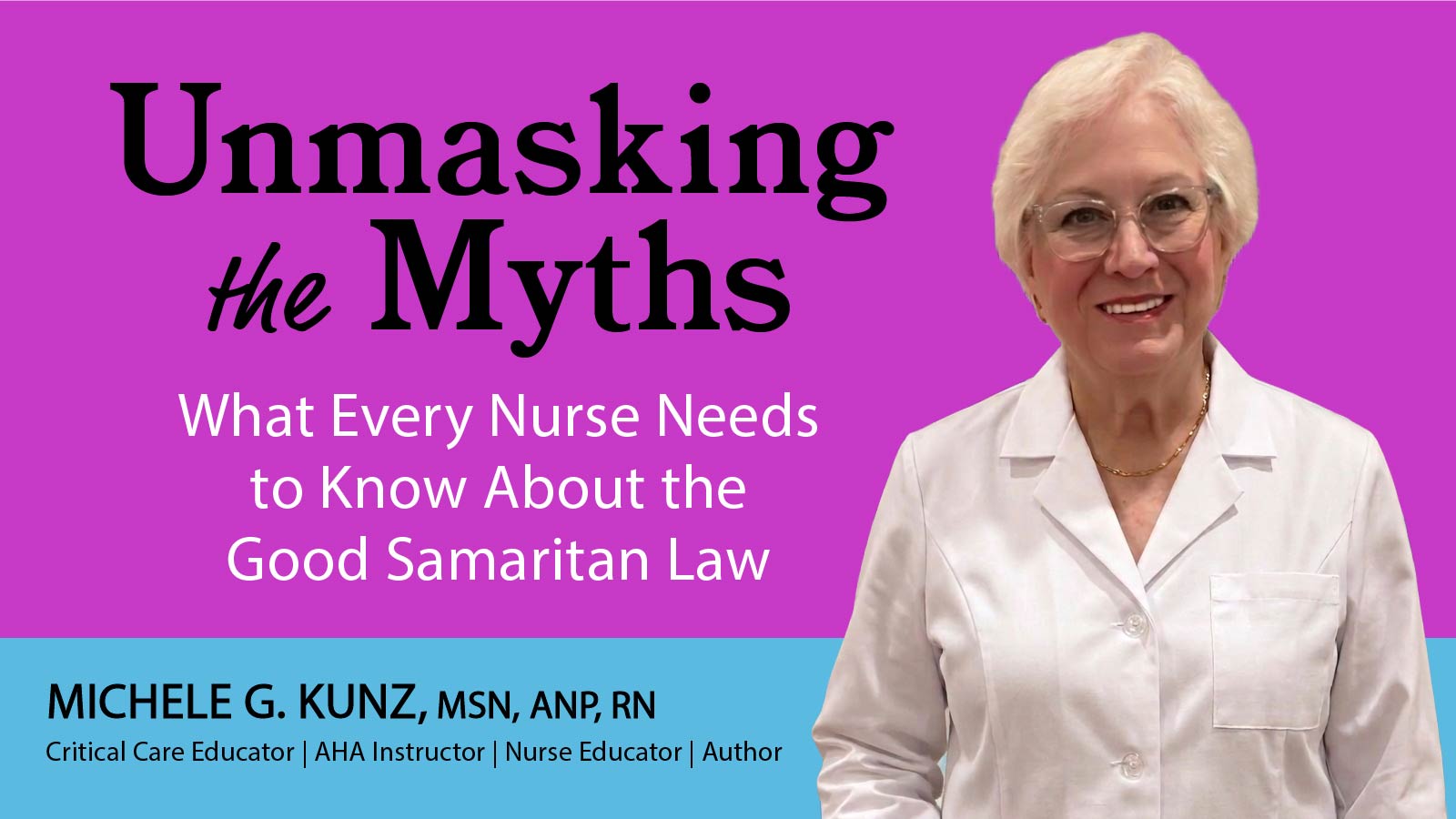
Breaking Down Legal Protections and Misconceptions for Confident Emergency Care
Synopsis
This article explores the nuances of the Good Samaritan Law as it applies to nurses, clarifying what it does and doesn’t cover in emergency situations. By examining the scope of legal protections, such as voluntary aid, good faith efforts, and ordinary negligence, as well as the limitations like gross negligence, professional duties, and compensation, this guide empowers nurses to act with confidence. Through this comprehensive breakdown, nurses can better understand how to provide aid effectively while staying within the boundaries of the law.
Introduction
The Good Samaritan Law is a critical piece of legislation designed to encourage individuals to assist others in emergencies without fear of legal repercussions. For nurses, these laws hold particular significance due to their expertise and the expectation that they might intervene in emergencies, even when off-duty or outside of a hospital setting. However, misconceptions about what these laws do—and don’t—protect can create confusion, hesitation, or even unnecessary anxiety among nursing professionals.
Understanding the nuances of the Good Samaritan Law is essential for nurses to feel empowered to act decisively and confidently in emergencies. This law is not a blanket protection against all legal consequences, nor does it impose mandatory obligations to assist. Instead, it serves as a safeguard, encouraging nurses and others to voluntarily provide aid without the fear of facing legal repercussions for reasonable actions performed in good faith.
Unfortunately, myths surrounding the Good Samaritan Law persist, often leading to unnecessary caution or misunderstanding. For example, some nurses might mistakenly believe they are legally obligated to help under this law, while others may think it offers absolute immunity from lawsuits. These misconceptions not only misrepresent the intent of the legislation but can also deter nurses from offering help when it’s most needed.
This article aims to address and debunk these myths, offering clarity on what the Good Samaritan Law truly entails. By separating fact from fiction, we hope to provide nurses with the knowledge they need to make informed decisions during emergencies, ensuring they can act without hesitation while understanding their legal protections and limitations.
Through a closer look at common misconceptions and an exploration of what the law does and doesn’t cover, this article will equip nurses with the confidence to use their skills in emergencies. In doing so, we reinforce the critical role that nurses play—not just within hospital walls but also in the broader community—helping to save lives and provide care when it’s needed most.
A. Myths about the Good Samaritan Law for Nurses
Myth 1: Good Samaritan Laws Protect Nurses in All Situations
Debunked: Good Samaritan Laws primarily protect nurses when they offer voluntary aid in emergency situations outside their regular work environment. These laws do not generally apply when a nurse is performing their duties within a healthcare facility or during their professional obligations. The protection is limited to acts performed in good faith, outside of a professional setting, and without any expectation of compensation.
Myth 2: Good Samaritan Laws Provide Absolute Immunity from Lawsuits
Debunked: While Good Samaritan Laws offer legal protection, they do not grant absolute immunity. Nurses can still be held liable if their actions are found to be grossly negligent or if they engage in willful or wanton misconduct. The law protects against ordinary negligence but not against more severe forms of malpractice or intentional harm.
Myth 3: All States Have the Same Good Samaritan Laws
Debunked: Good Samaritan Laws vary significantly from state to state. Each state has its own statutes detailing the extent of protection, the types of emergencies covered, and any specific conditions that must be met. Nurses should familiarize themselves with the Good Samaritan Laws in their particular state to understand the specific protections and limitations.
Myth 4: Nurses Are Legally Required to Provide Aid Under Good Samaritan Laws
Debunked: Good Samaritan Laws do not impose a legal duty to act. They are designed to protect those who choose to help voluntarily. While nurses may feel a moral or ethical obligation to assist in emergencies, the law does not legally require them to do so. The decision to intervene remains voluntary under Good Samaritan Laws.
Myth 5: Good Samaritan Laws Only Apply to Medical Professionals
Debunked: Good Samaritan Laws are intended to protect any individual who provides emergency assistance, not just medical professionals. While nurses have specialized skills that can be crucial in emergencies, the laws also cover laypersons who offer reasonable help. The key factor is that the aid is provided voluntarily and in good faith.
Myth 6: Providing Assistance Will Always Lead to Legal Trouble
Debunked: One of the main purposes of Good Samaritan Laws is to alleviate the fear of legal repercussions, encouraging people, including nurses, to assist in emergencies. When acting in good faith and within the scope of their training, nurses are unlikely to face legal trouble. The law aims to protect those who help, not to punish them.
Myth 7: Good Samaritan Laws Cover All Types of Emergencies
Debunked: While Good Samaritan Laws cover a broad range of emergencies, they do not apply to every possible situation. The protection generally extends to immediate and unexpected emergencies where the victim is in urgent need of assistance. Situations that do not require immediate intervention or are not true emergencies may not be covered under these laws.
Myth 8: Good Samaritan Laws Cover Any and All Actions Taken
Debunked: The actions taken must be reasonable and within the scope of the nurse's training and expertise. For instance, a nurse administering CPR is likely covered, but attempting a complex surgical procedure outside a medical facility would not be. The protection applies to acts that are reasonable and appropriate under the circumstances.
Myth 9: Nurses Cannot Be Sued if Protected by the Good Samaritan Law
Debunked: While the Good Samaritan Law provides legal protection, it does not prevent someone from filing a lawsuit. The law can serve as a defense in court, but it does not completely eliminate the possibility of being sued. Nurses should be aware that legal action is always a possibility, even if the case is ultimately dismissed.
Myth 10: The Good Samaritan Law Applies Automatically in Every Emergency
Debunked: Certain conditions must be met for the law to apply. For example, the assistance must typically be voluntary, provided in good faith, and offered in a true emergency. If the situation does not meet these criteria, the law may not offer protection.
Myth 11: The Good Samaritan Law Protects Nurses Who Ignore Standard Protocols
Debunked: Nurses are expected to act within the scope of their training and follow standard protocols to the best of their ability. Deviating from these protocols without justification—such as administering incorrect medication or performing unnecessary procedures—may not be protected under the law.
Myth 12: The Good Samaritan Law Covers Any Harm That Occurs After Intervention
Debunked: The law protects nurses from legal consequences related to ordinary negligence, but it does not cover harm caused by gross negligence, intentional misconduct, or actions outside their expertise. For example, failing to stabilize a patient's airway in an emergency could be seen as gross negligence if the nurse had the ability to do so.
Myth 13: Nurses Must Continue Providing Aid Until the Emergency is Resolved
Debunked: Nurses are generally protected under the Good Samaritan Law when they voluntarily assist within the limits of their training. However, they are not legally obligated to continue providing care indefinitely. The law often allows nurses to stop once professional emergency responders arrive or when the situation is no longer safe.
Myth 14: Good Samaritan Laws Cover Nurses Acting in Workplace Emergencies
Debunked: If a nurse is acting within the scope of their professional duties or during their regular employment, Good Samaritan protections typically do not apply. In these situations, other legal frameworks, such as malpractice insurance, come into play.
Myth 15: Good Samaritan Laws Apply Even When Nurses Accept Compensation
Debunked: Accepting any form of compensation, such as a gratuity or reward, can disqualify a nurse from protection under the Good Samaritan Law. The law only applies to voluntary aid provided without expectation of payment.
Myth 16: Nurses Can Perform Any Procedure in an Emergency Without Consequences
Debunked: The Good Samaritan Law does not give nurses carte blanche to perform procedures beyond their training. For example, attempting surgery or administering unfamiliar medications in a non-clinical setting could fall outside the protection of the law.
B. Clarifying What the Good Samaritan Law Does and Doesn’t Cover
1. Does Cover:
a. Voluntary Aid: Actions taken voluntarily in an emergency without expectation of payment.
b. Good Faith Efforts: Interventions intended to help the victim performed in good faith.
c. Ordinary Negligence: Protection against claims of ordinary negligence, provided the nurse acts reasonably.
d. Emergencies Requiring Immediate Action: Protection typically applies in unexpected emergencies where the nurse's intervention is urgently needed to prevent harm or death.
e. Acts Within Scope of Training: Actions performed within the nurse's scope of training and expertise are usually covered, ensuring interventions are reasonable and appropriate.
f. Non-Professional Settings: Assistance provided outside of professional healthcare environments, such as in public spaces or private homes, is generally covered.
g. Uncompensated Care: Offering aid without receiving or expecting any form of payment, reward, or other benefits is a key requirement for protection under the law.
2. Doesn’t Cover:
a. Gross Negligence and Willful Misconduct: Actions that constitute gross negligence or willful misconduct are not protected.
b. Professional Duties: Care provided during professional duties within a healthcare facility.
c. Compensation: Actions performed with the expectation of compensation are generally not covered.
d. Acts Outside Scope of Training: Interventions that exceed the nurse’s training and expertise, such as attempting complex medical procedures in a non-clinical setting, are not protected.
e. Failure to Meet Standard of Care: If the nurse’s actions fail to meet the standard of care expected in the circumstances, they may fall outside the law's protection.
f. Assistance Not in Good Faith: If the aid is provided with ulterior motives or without honest intent to help, the law may not apply.
g. Situations Lacking True Emergencies: The law does not cover assistance provided in non-emergency situations where immediate intervention is not required.
h. Willful Abandonment: Abandoning a victim mid-assistance without justifiable reason (e.g., personal safety concerns) may void legal protection.
Conclusion
Understanding the Good Samaritan Law is essential for nurses who may find themselves in situations where their skills and knowledge could save lives. By debunking these common misconceptions and clarifying the scope of the law, nurses can feel more confident in their ability to provide aid in emergencies without fear of legal repercussions.
Awareness and education about the specific provisions of the law in their state will further empower nurses to act when needed, knowing they are protected as long as they act in good faith and within the bounds of reasonable care.
Disclaimer
The information provided in this article is for educational and informational purposes only and should not be construed as legal advice. While we strive to ensure that the information is accurate and up to date, we are not legal professionals.
Nurses and other individuals seeking legal guidance should consult a licensed attorney to understand how the Good Samaritan Law applies to their specific situation and jurisdiction. The content herein is intended to offer general insights and should not be used as a substitute for professional legal counsel.
Knowledge is your greatest tool in any emergency. Understanding the truth about the Good Samaritan Law empowers nurses to act with confidence, compassion, and courage—knowing that helping others starts with clarity and care." - Michele G. Kunz
Ready to Bring Mindfulness into Your Nursing Practice?
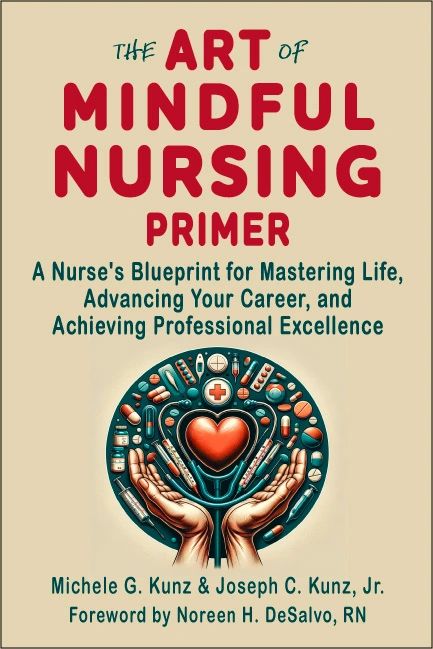
If you want to deepen your understanding of mindfulness and discover practical ways to incorporate it into your daily routine, The Art of Mindful Nursing Primer is the perfect resource.
This book offers insightful strategies, real-world applications, and easy-to-follow techniques designed specifically for nurses. Empower yourself, reduce stress, and enhance the care you provide—one mindful moment at a time.

With over 46 years of experience as a nurse and nursing educator, Michele Kunz is a dedicated advocate for compassionate and effective patient care. As a seasoned professional, Michele has trained and certified thousands of nurses and healthcare providers, sharing her extensive knowledge and passion for nursing. Her articles aim to inspire, educate, and support nurses in their journey, promoting excellence in the nursing profession.
