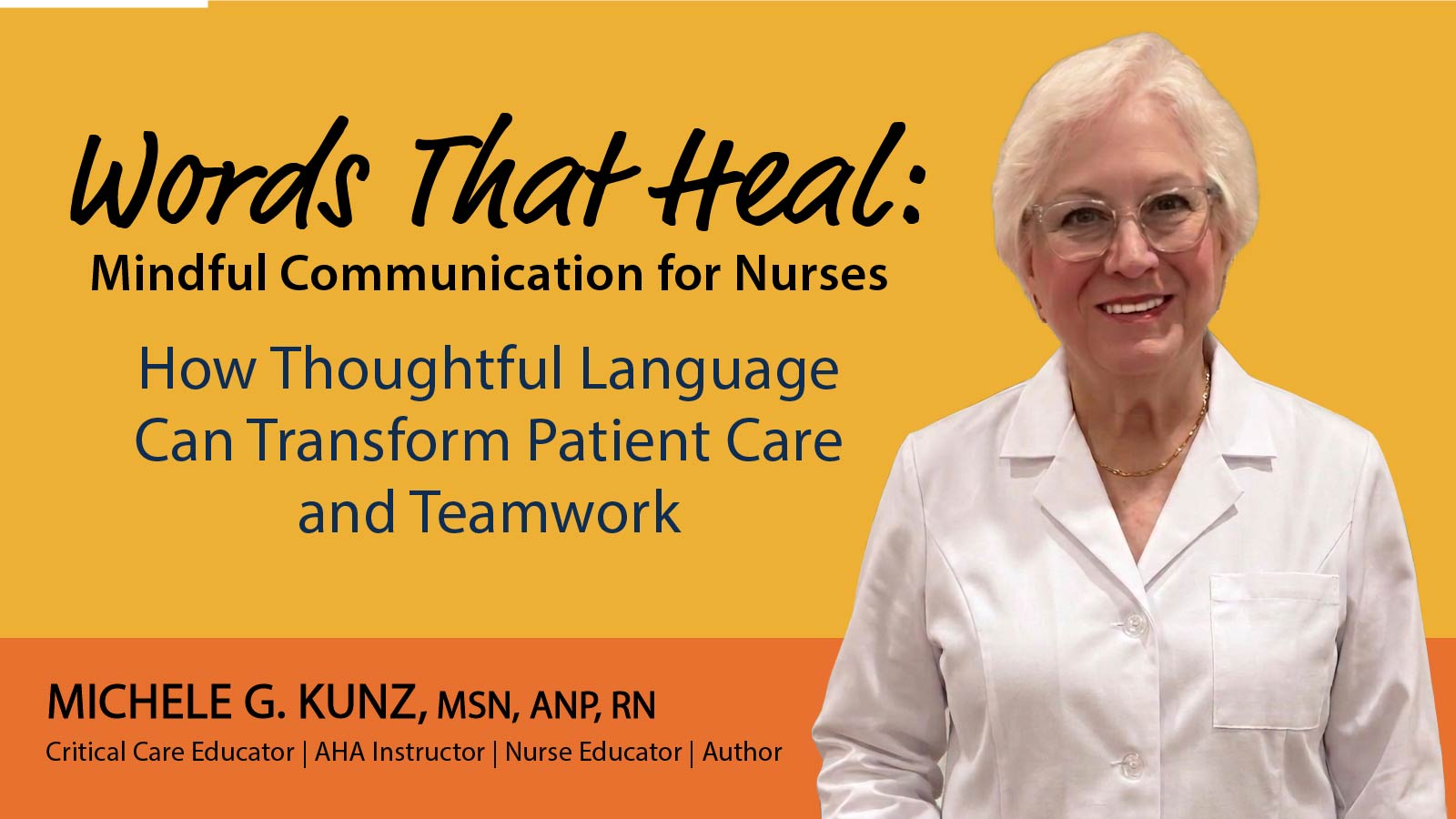
How Thoughtful Language Can Transform Patient Care and Teamwork
Synopsis
This article explores the profound impact of mindful communication in nursing, highlighting how words can heal, build trust, and enhance patient outcomes. With practical strategies and actionable tips, nurses will learn how to harness the power of language to create meaningful connections with patients and colleagues while fostering a more compassionate and effective care environment.
Introduction: The Healing Power of Words
In the world of nursing, words are more than just a means of communication; they are tools of healing. A nurse’s ability to convey empathy, reassurance, and clarity through language can significantly impact a patient’s experience and recovery. Conversely, poorly chosen words or a lack of mindfulness in communication can lead to confusion, anxiety, or even harm.
Imagine a patient undergoing a complex medical procedure. A nurse who explains the process with calm, clear, and compassionate language can transform the patient’s fear into understanding and trust. On the other hand, vague or dismissive language might heighten the patient’s anxiety and erode confidence in their care team. This scenario underscores the importance of words in the nurse-patient relationship.
Language also shapes how patients perceive their care environment. Thoughtful communication can reduce the emotional stress of hospital stays and procedures, contributing to improved mental and physical outcomes. The healing power of words should never be underestimated in a nurse’s toolkit.
A. The Emotional Impact of Words on Patients
Patients often enter healthcare settings feeling vulnerable, scared, or uncertain. Nurses are at the forefront of patient interactions and have the unique opportunity to provide comfort and assurance through their words.
1. Empathy in Action
Empathy is the cornerstone of mindful communication. Simple statements such as, “I’m here to help you through this” or “I understand this is difficult for you” can validate a patient’s feelings and create a sense of connection. Words that acknowledge a patient’s emotions not only build trust but also contribute to a positive healing environment.
Empathy is also conveyed through active listening. When patients feel heard, they are more likely to share critical information about their symptoms or concerns, allowing nurses to provide better care. For instance, taking the time to listen to a patient’s fears about a treatment plan and thoughtfully addressing them can strengthen the therapeutic relationship.
2. The Power of Reassurance
Reassurance is another critical aspect of communication. Consider the difference between saying, “This procedure is routine; you’ll be fine,” versus, “This is a routine procedure, and I’ll be with you every step of the way to ensure your comfort.” The latter statement not only provides information but also conveys support and presence, which can significantly reduce a patient’s anxiety.
Reassuring words create a ripple effect. When patients feel safe and understood, they are more likely to adhere to treatment plans, ask questions, and communicate openly about their needs. This strengthens the overall effectiveness of care.
B. Practical Strategies for Mindful Communication
Mindful communication requires intentionality, presence, and awareness. Here are practical strategies nurses can adopt to ensure their words have a positive impact:
1. Speak Clearly and Simply
Medical jargon can be confusing and intimidating for patients. Use plain language to explain medical conditions, procedures, and care instructions. For example, instead of saying, “You’ll need to ambulate postoperatively,” say, “You’ll need to get up and walk around after surgery to help with your recovery.”
Clear communication also involves breaking down complex information into manageable steps. For example, instead of overwhelming a patient with detailed post-operative care instructions all at once, prioritize the most immediate tasks and explain others in follow-up interactions.
2. Match Your Tone to the Situation
Your tone of voice can convey as much meaning as your words. In moments of crisis, a calm and steady tone can provide reassurance. In celebratory moments, a cheerful and upbeat tone can enhance the joy. Being mindful of tone ensures your message aligns with the Situation.
For instance, when a patient is distressed, a soothing tone paired with comforting words can help de-escalate their emotions. Conversely, an energetic tone can be motivating for patients who need encouragement during physical rehabilitation or lifestyle changes.
3. Use Positive Framing
Frame your messages in a positive light to inspire confidence and cooperation. For example, instead of saying, “Don’t forget to take your medication,” say, “Remember to take your medication to help you feel better.” Positive framing encourages patients to focus on benefits rather than potential negatives.
This approach is particularly effective when discussing sensitive topics such as lifestyle changes or chronic conditions. Highlighting what a patient can achieve or improve fosters a sense of empowerment and collaboration.
4. Listen Actively
Effective communication isn’t just about speaking; it’s also about listening. Show patients you value their input by maintaining eye contact, nodding, and responding thoughtfully to their concerns. Active listening demonstrates respect and fosters a collaborative relationship.
Active listening also involves asking open-ended questions to gather more information. For example, instead of asking, “Are you in pain?” consider asking, “Can you describe how you’re feeling right now?” This invites patients to share more details about their experience.
C. Mindfulness in Patient Interactions
Mindfulness—being fully present in the moment—is a powerful tool for enhancing communication. By practicing mindfulness, nurses can become more attuned to their patients’ needs and respond with greater thoughtfulness.
1. Pausing Before Speaking
In high-pressure environments, it’s easy to fall into the habit of speaking hastily. Taking a moment to pause and consider your words before responding can prevent misunderstandings and ensure your message is clear and compassionate.
Pausing also gives nurses the opportunity to observe the patient’s reactions and adapt their approach as needed. For example, if a patient appears overwhelmed, a brief pause can allow them to process information before moving forward.
2. Observing Nonverbal Cues
Mindfulness also involves being aware of nonverbal communication, such as body language and facial expressions. For instance, a patient’s tense posture or furrowed brow might indicate fear or confusion. Addressing these nonverbal cues with verbal reassurance can help ease their concerns.
Additionally, nurses can use their own nonverbal cues—like maintaining an open posture and offering a warm smile—to create a welcoming and supportive atmosphere.
3. Practicing Self-Reflection
After each interaction, take a moment to reflect on your communication. Ask yourself, “Did my words provide clarity and comfort?” or “Could I have expressed that more effectively?” This practice of self-reflection fosters continuous improvement.
Self-reflection also allows nurses to identify patterns in their communication style and make adjustments to better meet the needs of their patients and colleagues.
D. The Ripple Effect of Mindful Communication
The benefits of mindful communication extend beyond individual patient interactions. When nurses communicate thoughtfully, it creates a ripple effect that improves team dynamics, reduces workplace stress, and enhances overall patient care.
1. Building Trust Within Teams
Clear and respectful communication among healthcare professionals fosters trust and collaboration. When team members feel heard and understood, they are more likely to work cohesively and efficiently.
For example, during shift changes, providing detailed and precise handoff reports ensures continuity of care and reduces the likelihood of errors. A culture of open communication also empowers team members to address concerns or share feedback constructively.
2. Reducing Miscommunication Errors
Miscommunication is a leading cause of medical errors. Mindful communication techniques, such as repeating back critical information and using standardized tools like SBAR (Situation, Background, Assessment, Recommendation), can prevent misunderstandings and ensure patient safety.
Teams that prioritize mindful communication are better equipped to navigate high-stress situations and make informed decisions, ultimately improving outcomes for both patients and staff.
Conclusion: A Call to Mindful Speech
In nursing, words have the power to heal, comfort, and connect. By embracing mindful communication, nurses can elevate their practice, strengthen their relationships with patients and colleagues, and create a more compassionate and effective healthcare environment.
As you reflect on your communication habits, consider how your words can make a difference. Remember, every interaction is an opportunity to build trust, provide comfort, and leave a positive impact. For more insights on mindfulness and professional excellence in nursing, explore Michele’s resources and books.
"Every word a nurse speaks carries the potential to heal or harm. Choose words that build trust, inspire hope, and create connection because, in those moments, you are not just a caregiver; you are a catalyst for healing." - Michele G. Kunz
Ready to Bring Mindfulness into Your Nursing Practice?
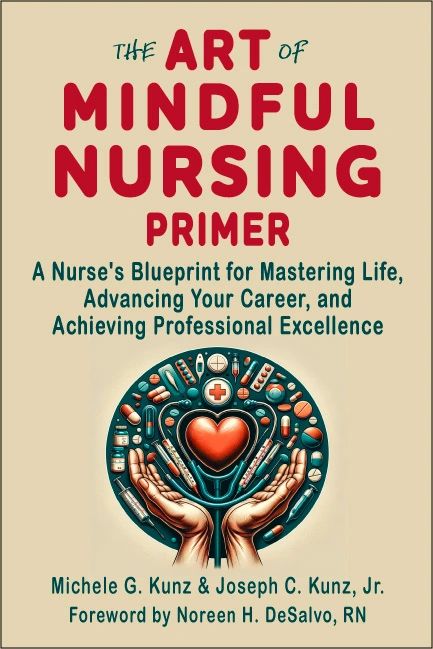
If you want to deepen your understanding of mindfulness and discover practical ways to incorporate it into your daily routine, The Art of Mindful Nursing Primer is the perfect resource.
This book offers insightful strategies, real-world applications, and easy-to-follow techniques designed specifically for nurses. Empower yourself, reduce stress, and enhance the care you provide—one mindful moment at a time.

With over 46 years of experience as a nurse and nursing educator, Michele Kunz is a dedicated advocate for compassionate and effective patient care. As a seasoned professional, Michele has trained and certified thousands of nurses and healthcare providers, sharing her extensive knowledge and passion for nursing. Her articles aim to inspire, educate, and support nurses in their journey, promoting excellence in the nursing profession.
